Things we have designed. And the ones we are designing next.
Every product below started on the same bench in Nyumbayanga: a board that ships to America, a kit in 57 schools, a card a utility runs on, and a phone that does not exist yet.
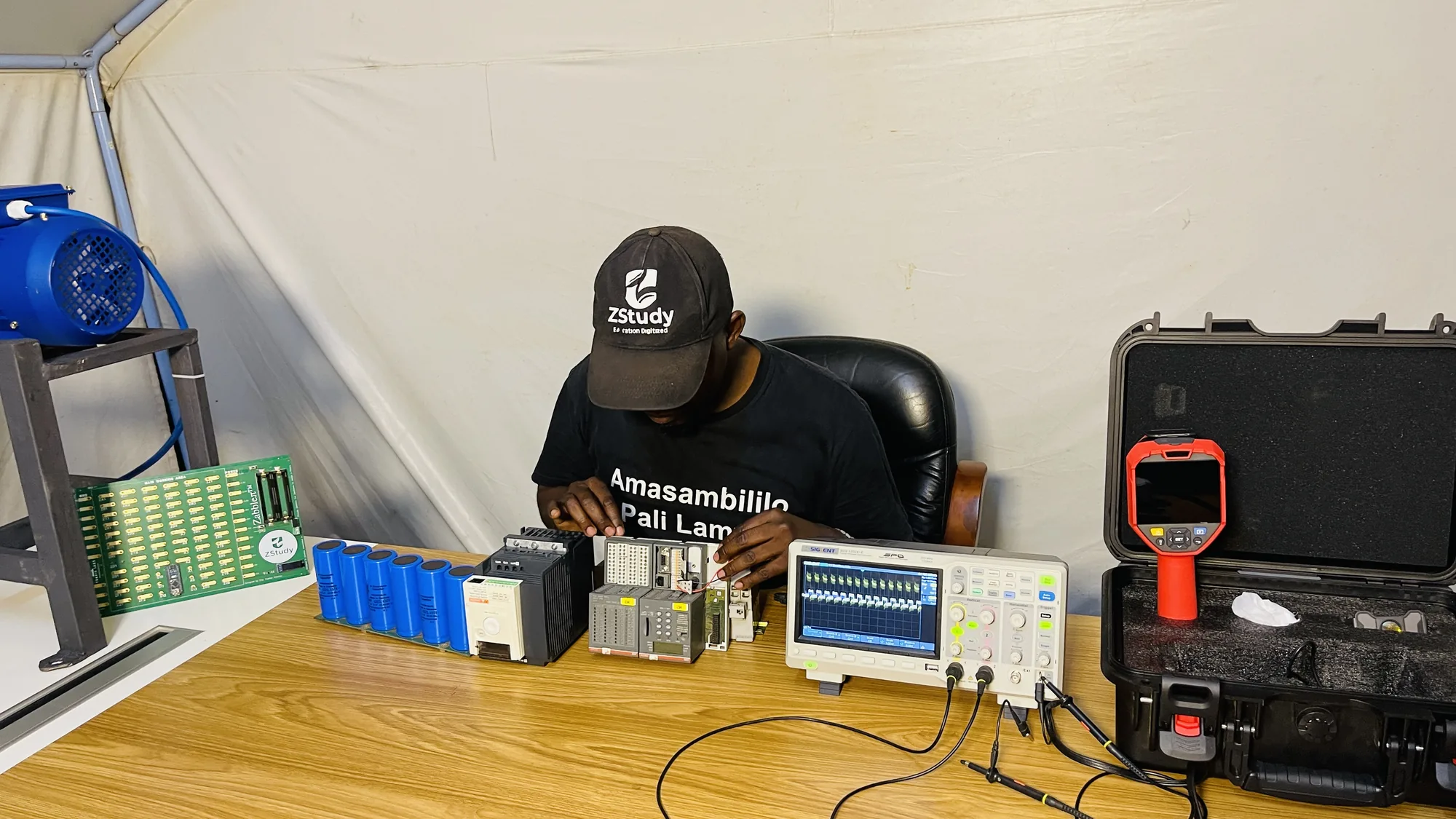
Research and development, on camera.
The Zabble training board, the boards around it and the research behind them, shown at the HCS bench in Lusaka.
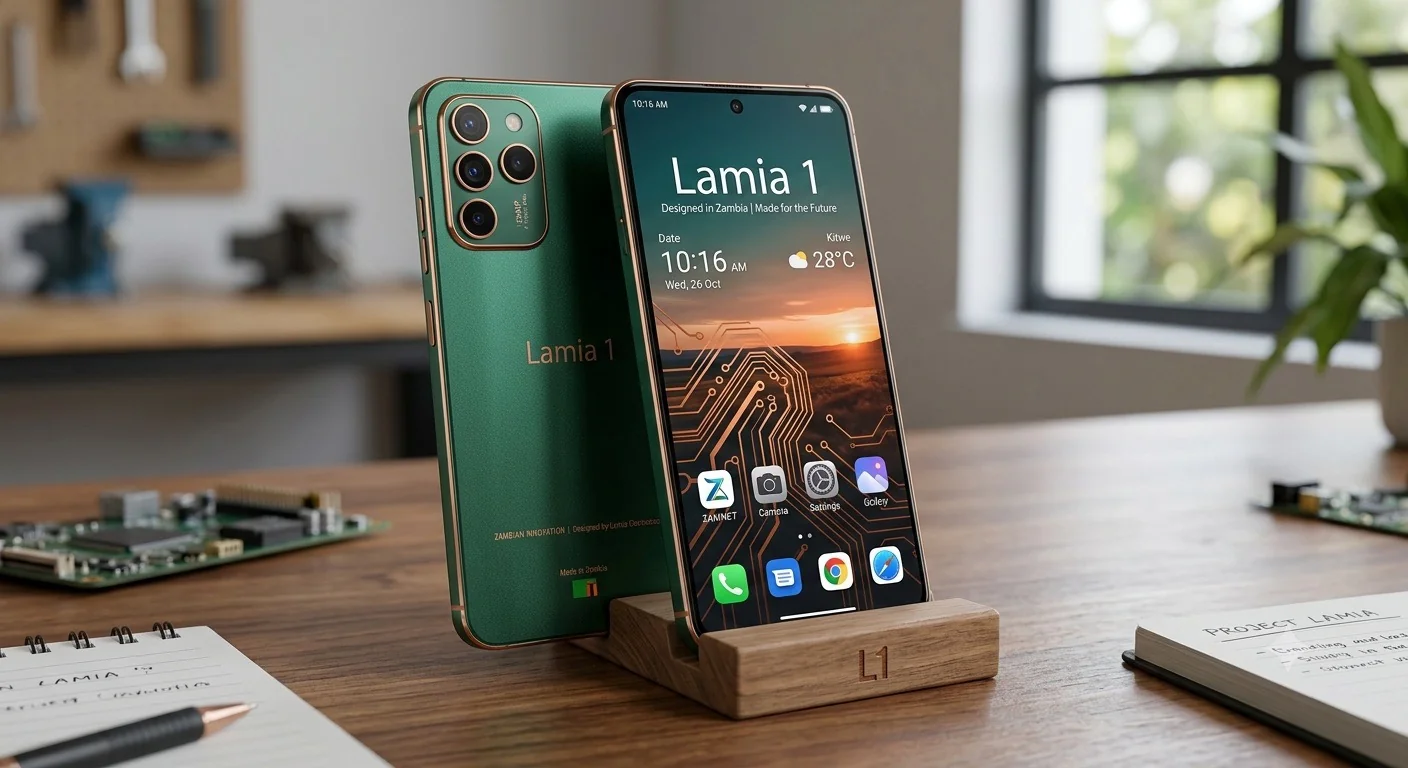
Lamia 1
The first mobile phone designed in Zambia — mainboard, power and battery subsystem and industrial design off the Travis Labs bench. The flagship of everything below.
The Lamia programme →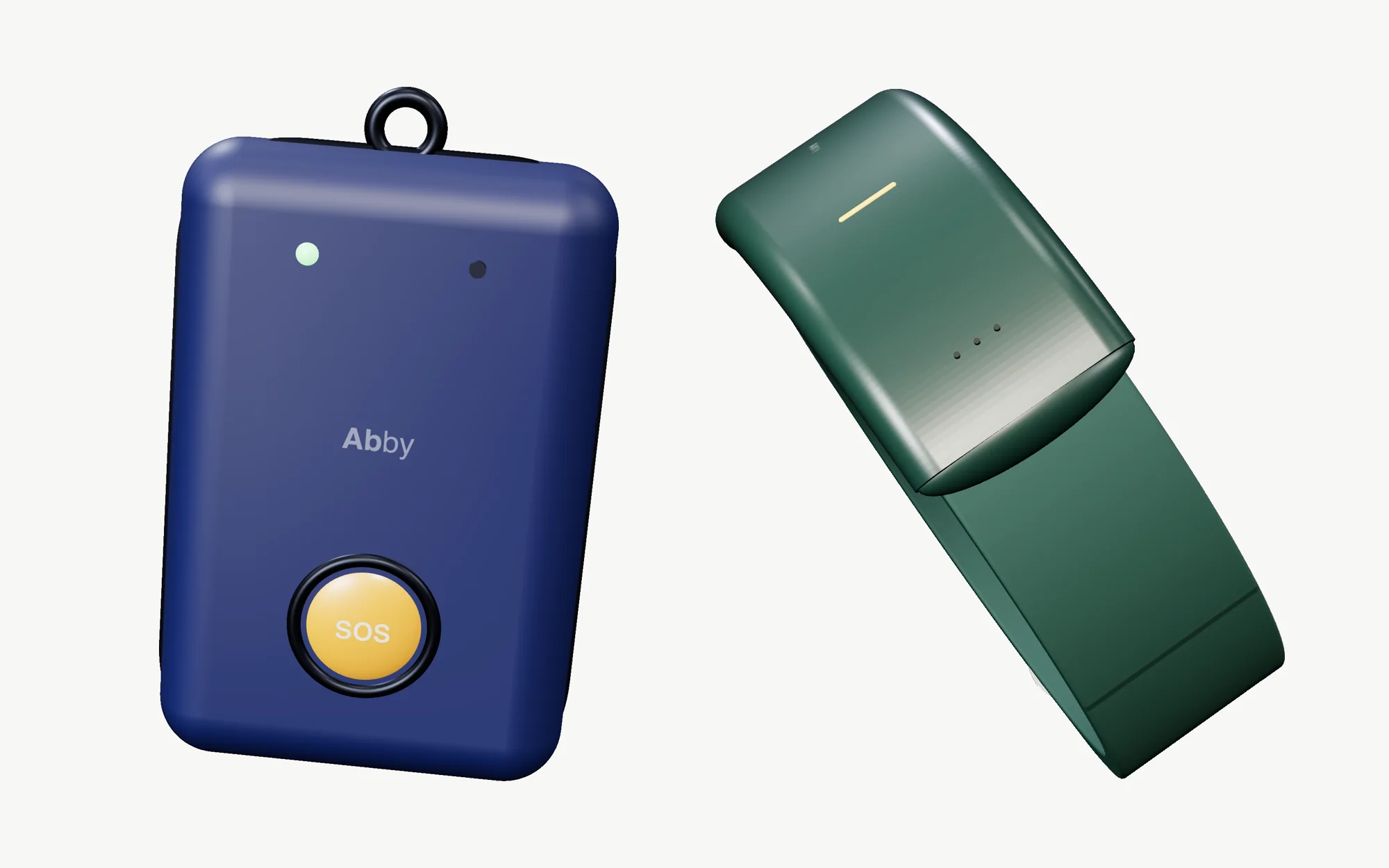
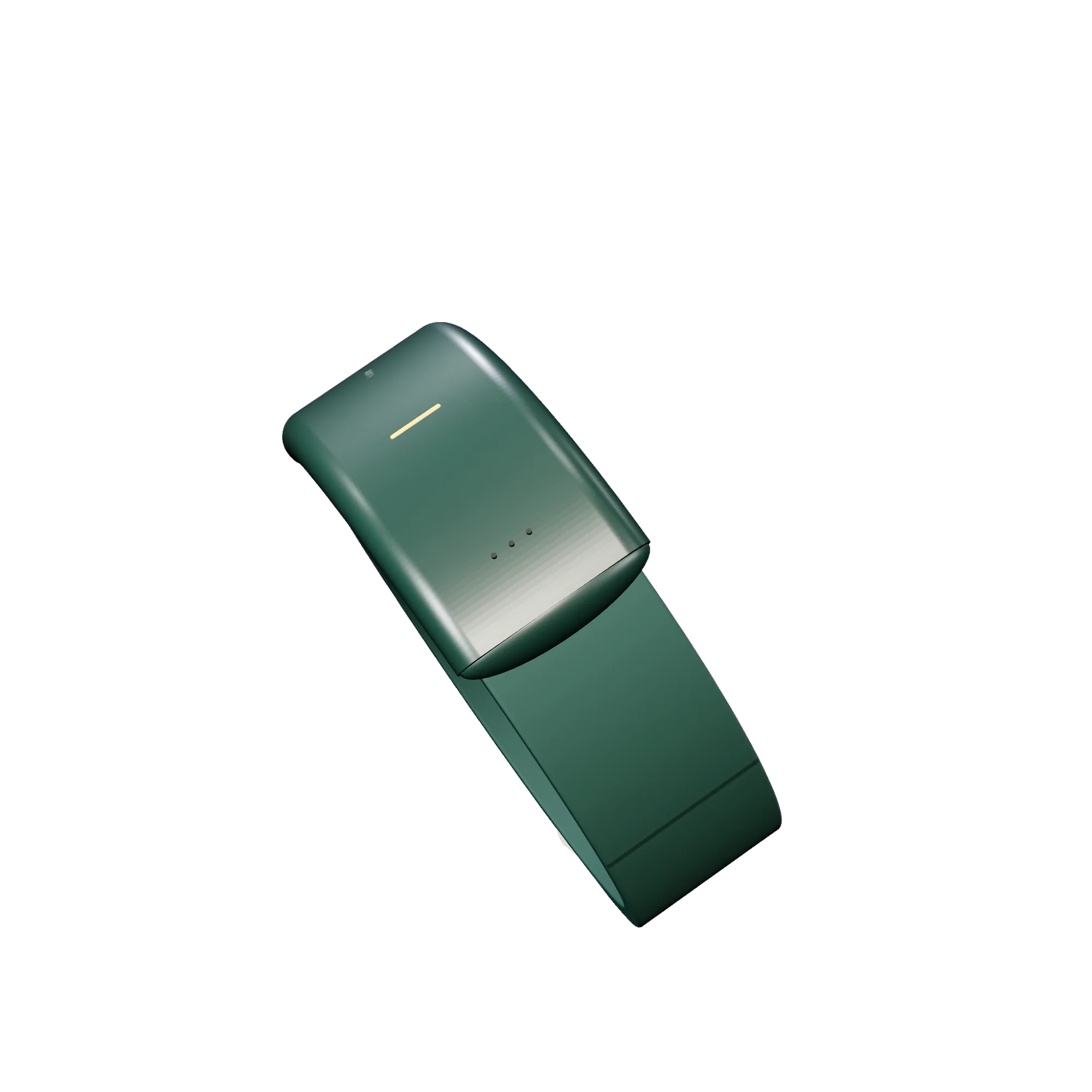
Abby
A wearable for school children that listens on the device for threatening language and distress, then alerts the parent and the school with her location. No button, no screen, no speaker. The hardware layer of Route43 in O'Sense.
Meet Abby →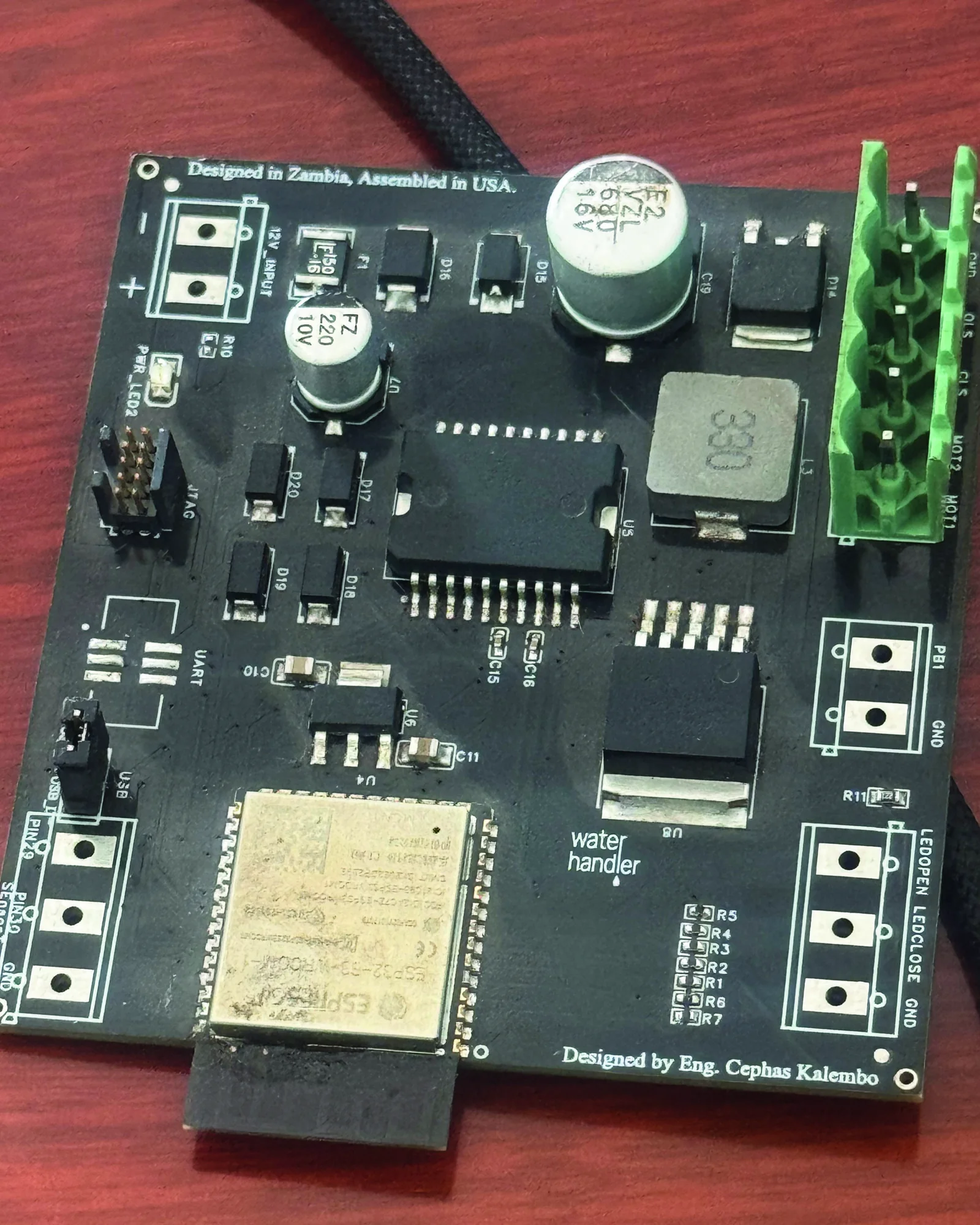
WaterHandler
Motorised valve, Smart Control Box and app. The control board is designed and built in Lusaka — silkscreened "Designed in Zambia, Assembled in USA" — and ships to Texas every month.
WaterHandler →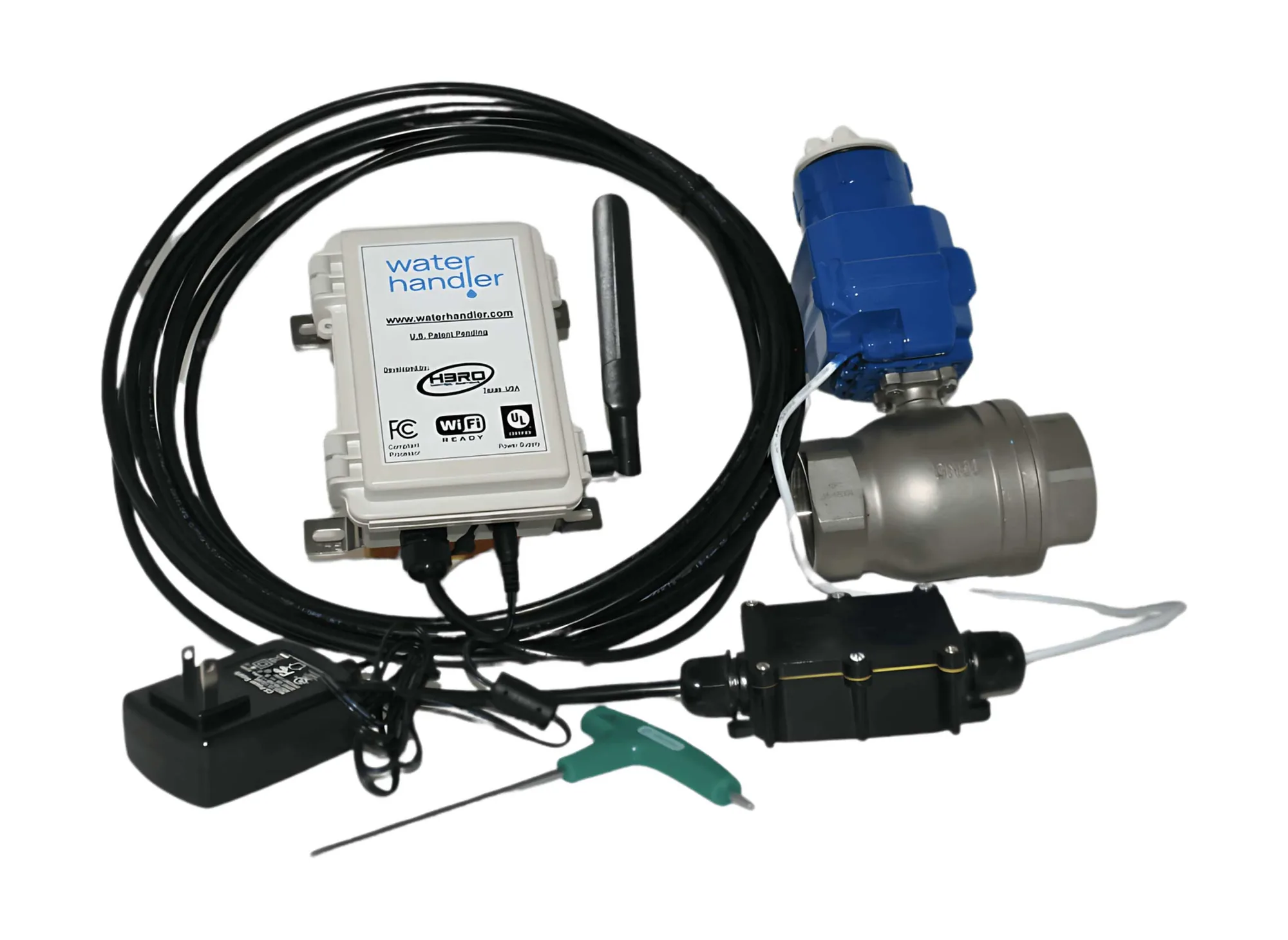
Water leak sensors
Battery-powered sensors — up to 36 per system — that sit behind the fridge, the toilets, the water heater and the washing machine. 1/16 inch of water on the contacts and the box shuts the main and notifies the owner's phone.
How the system works →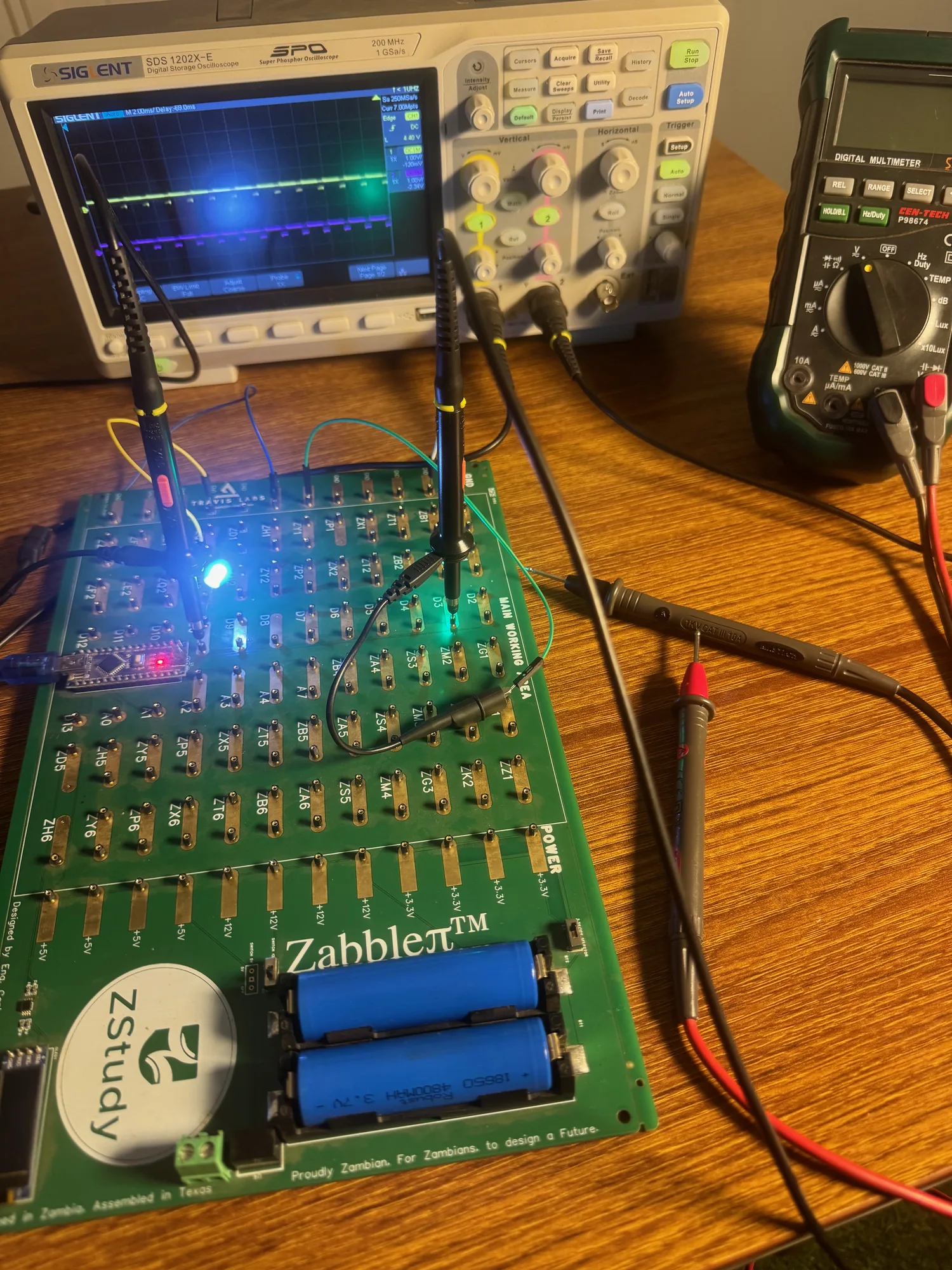
Zabble STEM kit
Zambia's first designed-and-manufactured STEM board. Its fuse-protected, ESD-aware power fabric is published in Springer Nature's Discover Electronics. Ships with the 272-page Embedded IoT Systems textbook.
Zabble for schools and colleges →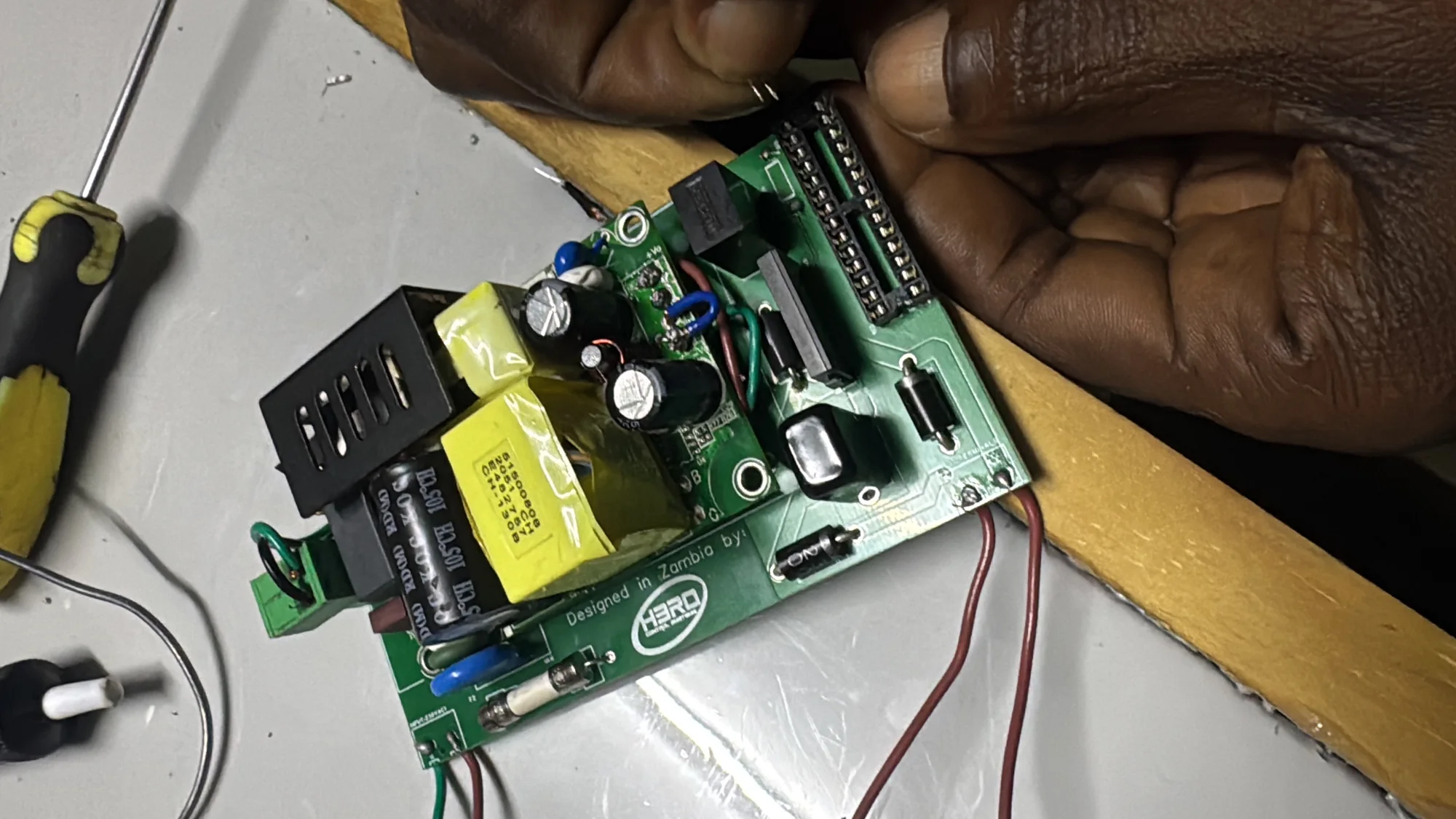
LWSC contactor coil economizer
The discontinued OEM pump-station card, reverse-engineered, redesigned with current parts and built here — "Made in Zambia by HERO" on the silkscreen. Running at Lusaka Water since February 2026. The fixed-DC versus PWM economizer comparison behind it is submitted to MDPI Electronics.
The LWSC story →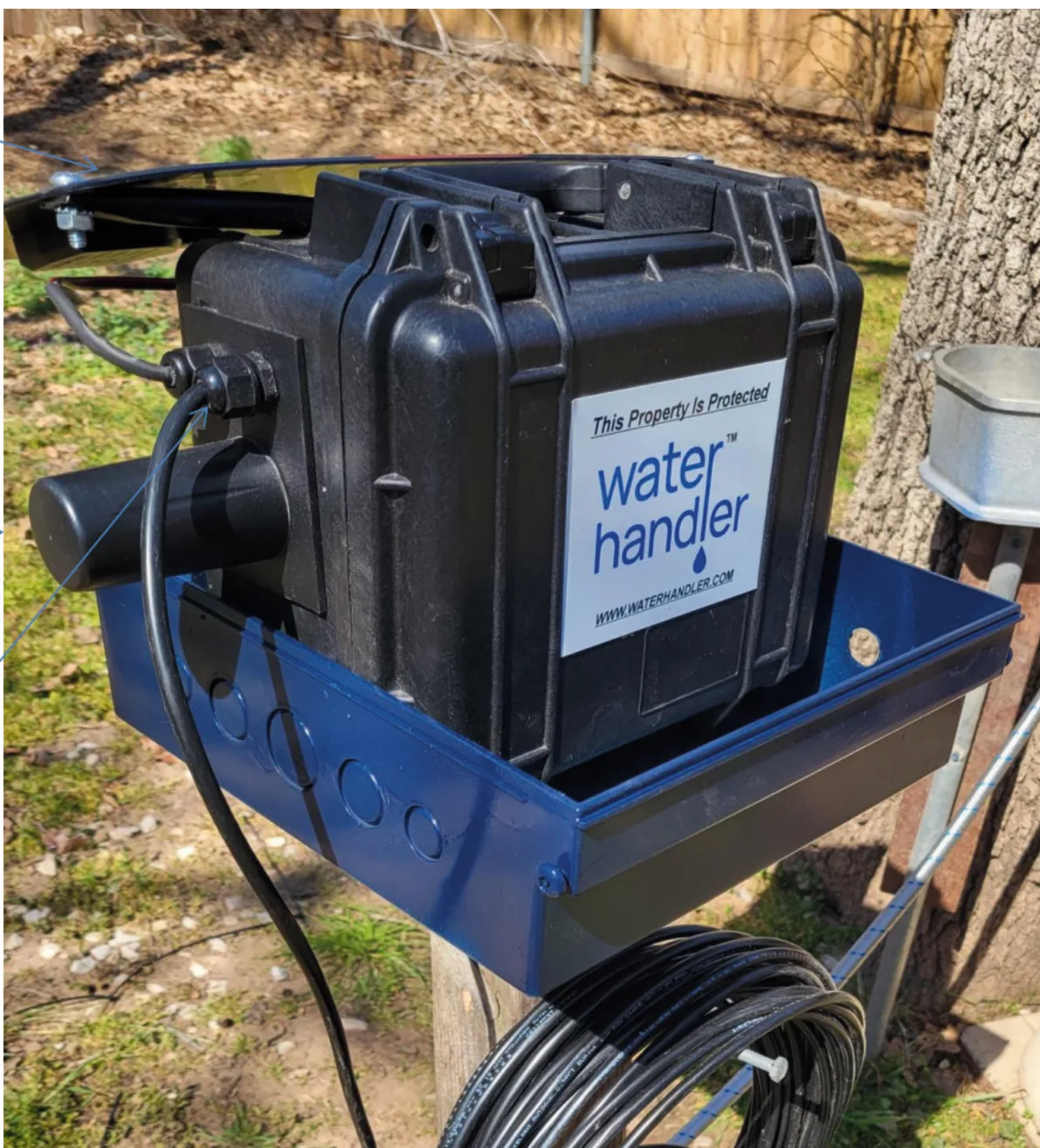
RiverSense
The WaterHandler platform fitted with calibrated probes for public river water-quality monitoring — electronics, probe calibration and software by HCS. The research behind it became a Zambia ICT Journal paper and a book.
The research →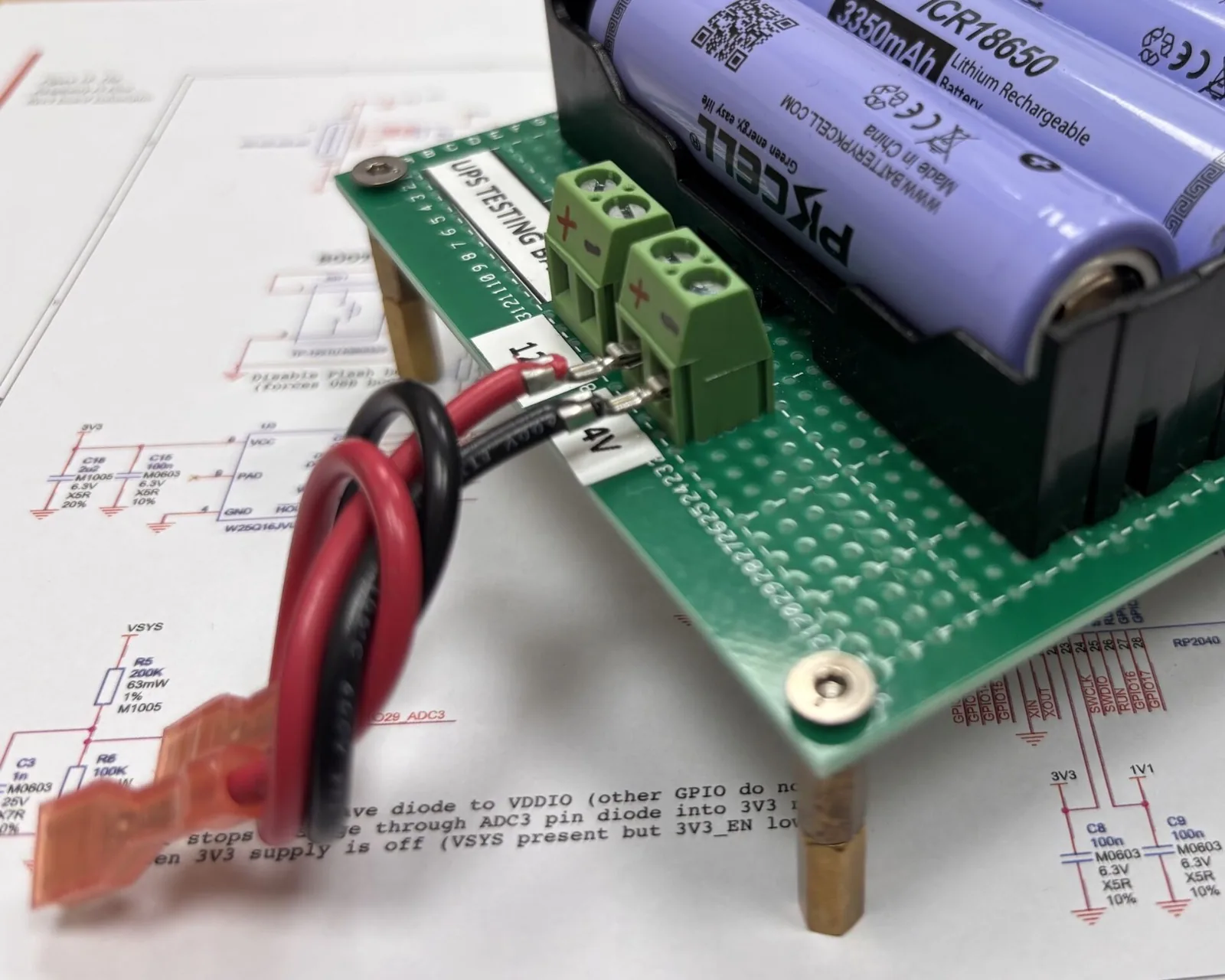
Battery management systems
Cell monitoring, balancing and protection for lithium packs from portable devices to modular storage; CAN, RS-485 and telemetry.
Design capabilities →The code side of the bench.
SecureDX
Graduated security gates for DevSecOps pipelines: SAST, secrets detection, IaC scanning, SBOM and a data-residency scanner that maps where an application sends data — built for Zambia's Data Protection Act 2021. BLOCK / WARN / PASS on CVSS thresholds instead of binary fail. Made in Zambia.
O'Sense
Operations platform for Zambian businesses — payroll, CRM, books, stock, workshop and Route43 — read and sent by AI on WhatsApp. Android app on Google Play.
TravisOS
The operating system for our own devices — Lamia 1 and Abby. Lightweight, offline-first and low-power for microcontroller-class hardware, with WhatsApp/USSD-native services, local languages and over-the-air updates as design goals. Built on open-source foundations (PaxOS 9, AGPL-3.0) and being adapted for HCS hardware.
Client revenue first. Then partners who want to go faster.
Repair and design work for telecom, utilities and industry pays for the bench. Where capital accelerates something already working — Lamia 1, in-house PCB fabrication, Zabble production — we talk to aligned investors and development partners.
Invest in our Travis Labs R&D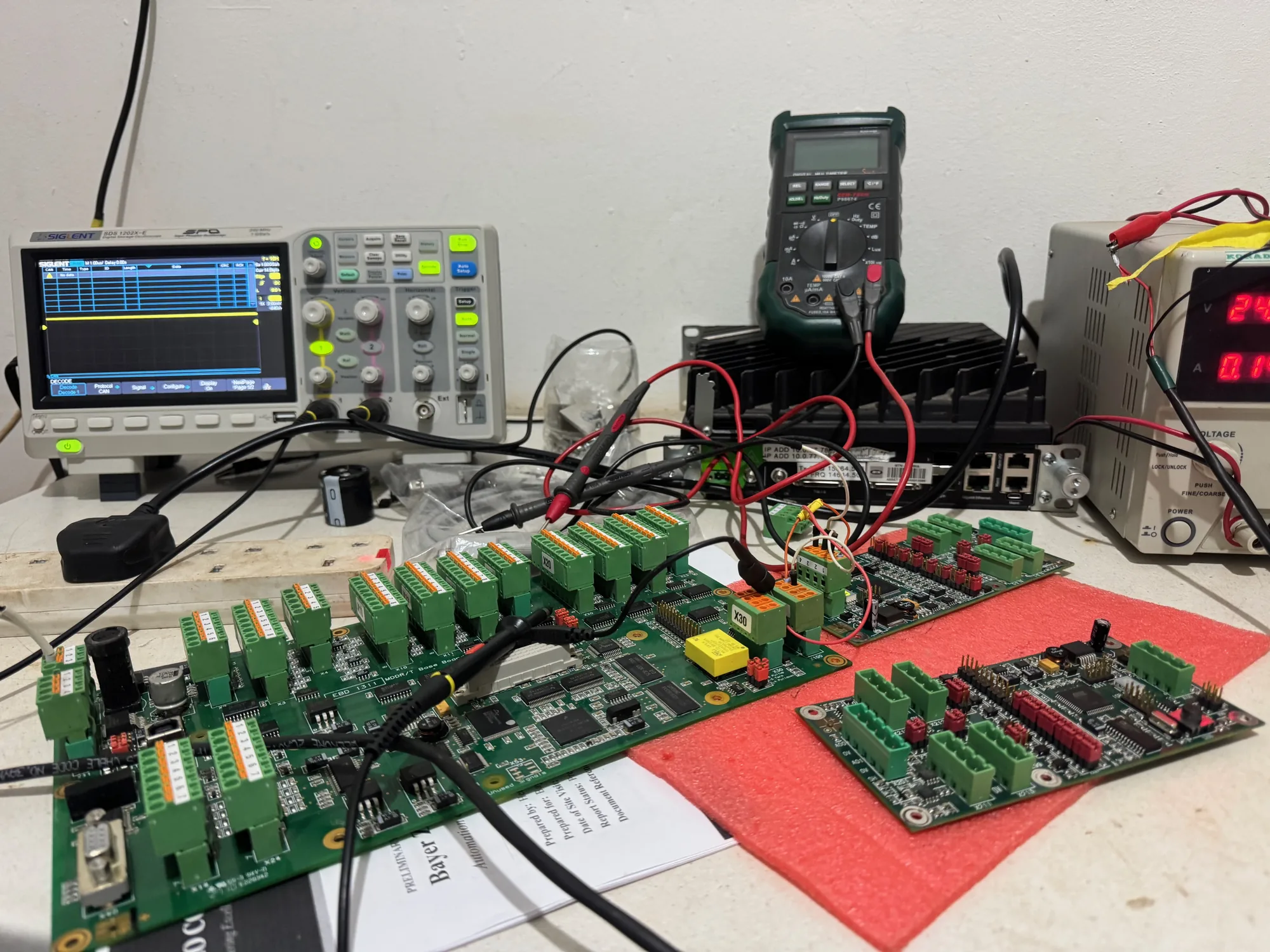
Have a product to design?
Send us the problem — we will tell you what a Zambian-built solution looks like.