Zambia's electronics industry has to be built by someone. We have started.
HERO Control Systems designs and repairs the power electronics that run Zambia's telecom towers, water utilities and factories; runs the software Zambian businesses operate on; and trains the engineers. Bootstrapped since 2019, revenue-funded, now raising to replace the founder with systems and scale what already works.
The thesis.
- A Zambian design and manufacturing company, built to serve Africa. Plants run on imported electronics, and when OEMs discontinue critical power electronics, facilities stop. We design and build the replacement in Lusaka, and use component-level thermal diagnostics to know exactly what to build or fix.
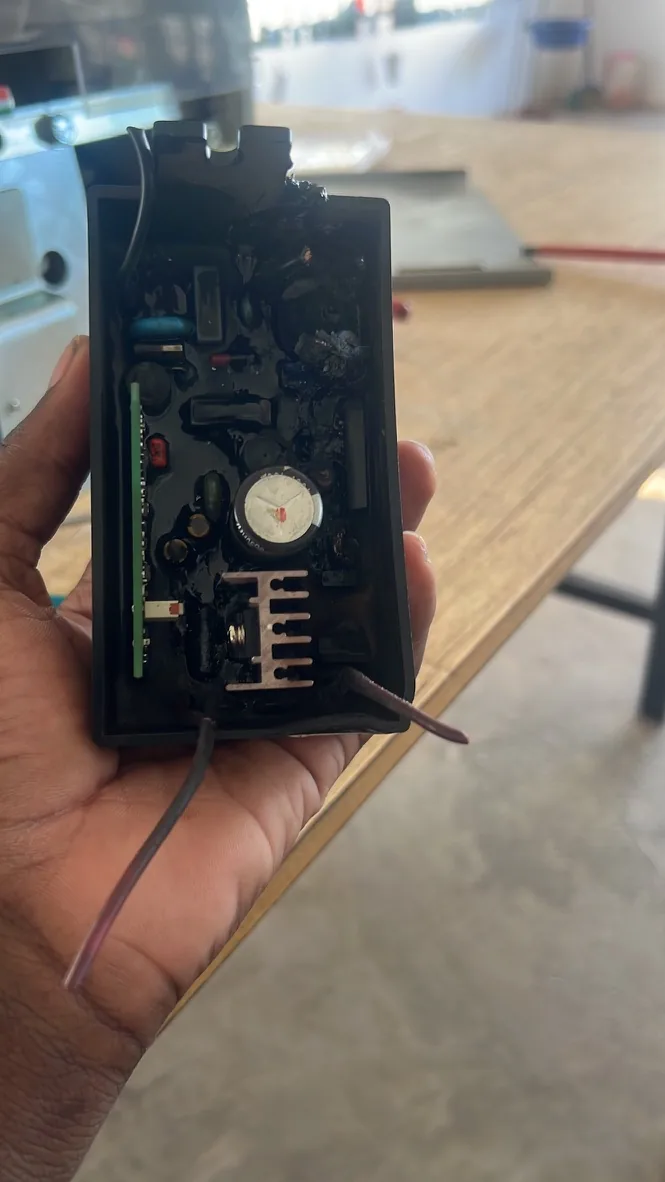
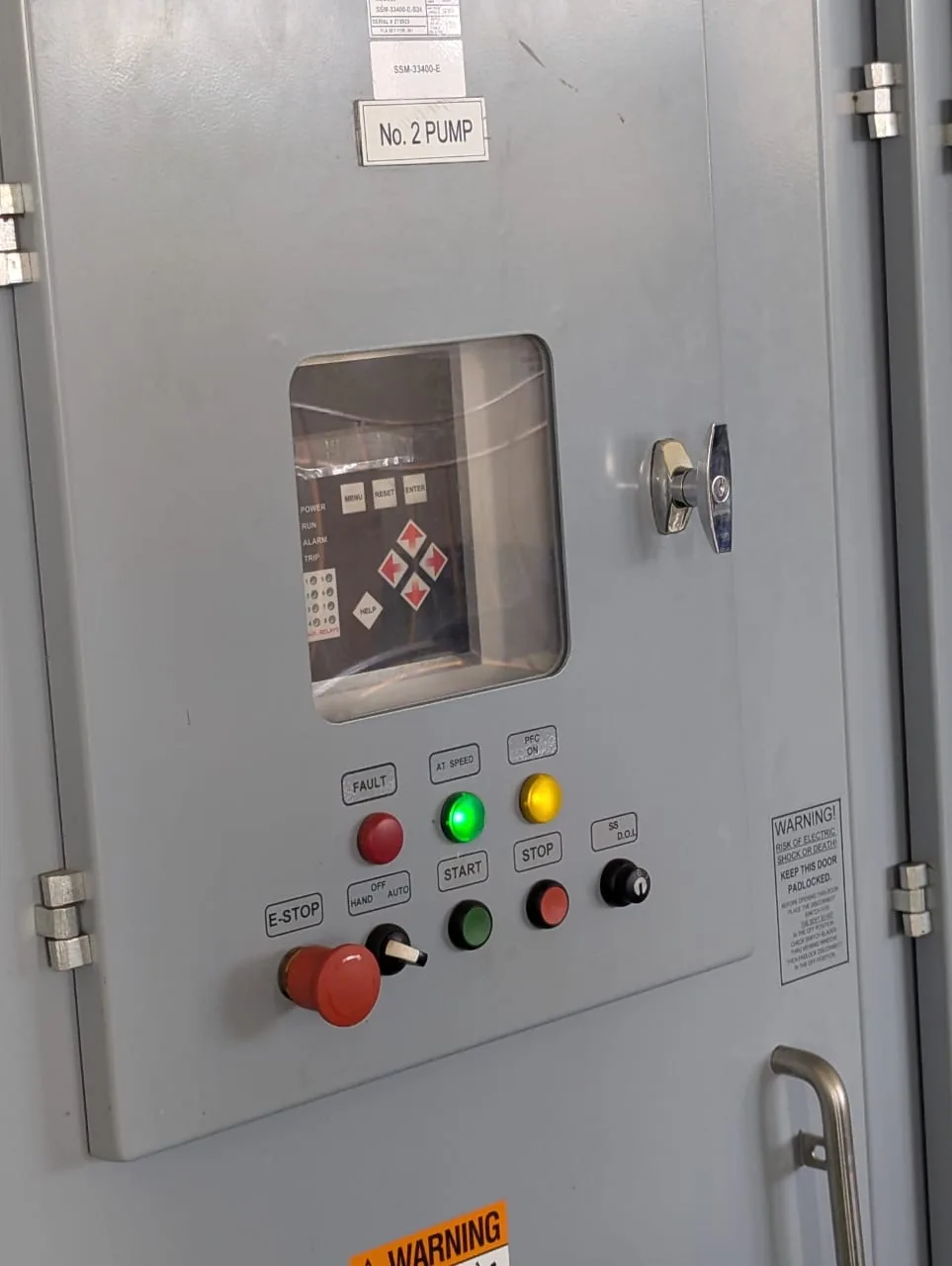
- It already works. MTN Zambia is contracted. Lusaka Water has run on an HCS-designed board since February 2026 with zero failures. Our boards ship to Texas every month.
- Three engines feed each other. Repair opens the plant door; O'Sense software turns that client into recurring revenue; Training builds the engineers we hire and the cash that funds the bench.
- Bootstrapped to here. No external capital. Revenue in the K500,000–K750,000 per quarter range. Published, peer-reviewed engineering.
- The raise buys leverage, not survival: in-house PCB fabrication, enclosure printing, training accreditation and the three hires that take the founder out of the critical path.
When the OEM says "discontinued", a mine, a tower or a pump station stops.
Sub-Saharan industry runs on imported drives, rectifiers, control cards and radio units. When one fails the choices are: wait 4–12 weeks for an import quoted in dollars with freight, duty and VAT on top; replace the whole unit at several times the price of the card; or ship it abroad for repair and add two-way logistics. If the part has been discontinued, none of those options exist.
The margin, the intellectual property and the skilled jobs all leave the country with the purchase order. Local electricians can swap parts; almost nobody in Zambia can read the schematic, redesign the board and write the firmware. That gap is the business.
Design, build, repair, run, train — three divisions, one flywheel.
Repair earns the trust and the site access. Software keeps the client paying monthly. Training supplies the engineers who do both — and the R&D bench turns every one-off redesign into a product: the LWSC board, Zabble, WaterHandler, Abby, and by 2028, Lamia 1.
Signed, deployed, shipping — as at 31 August 2026.
Contracted — framework repair agreement, K340,000 invoiced, further batch in the workshop
HCS-designed replacement for a discontinued OEM card — deployed February 2026, zero failures
Proofs of concept on rectifiers and site power — not yet contracted
Four RF power amplifiers received for evaluation repair
Industrial repair, automation and calibration work
Self-designed WaterHandler control boards exported monthly
Live at osense.io since February 2026 — seven apps, paying customers, Android app on Google Play
300+ engineers and technicians trained; TEVETA accreditation in progress
We state a client as contracted only with a signed agreement or accepted purchase order. Proofs of concept are named as such. Case studies →
Four ways money comes in.
Travis Labs — repair & redesign
Bread-and-butter repairs K4,500–K50,000 per job; crown-jewel redesigns and OEM replacements K50,000–K300,000+; maintenance contracts K5,000–K15,000 per quarter. Every redesign becomes a product we can sell again.
O'Sense — software
Licensed per app at K4,500 per month, one login across all apps. Recurring, and sold into the same plants Travis Labs already walks into.
Training — people
Corporate cohorts from K35,000 (five delegates); individual programmes K5,000–K15,000. Cash up front, and the pipeline that staffs our own bench.
Exports & products
WaterHandler boards to the USA every month; Zabble kits to schools; the LWSC board as a repeatable product for every utility with the same pump panels.
Target: more than half of revenue recurring (software subscriptions, maintenance contracts, framework repair agreements) by the Scale phase.
Foreign OEMs are the competition. We win where they will not go.
Capability nobody local has
PCB design, embedded firmware and in-house board build, on one bench in Lusaka. We know of no other Zambian company doing this. Published in Springer Nature's Discover Electronics.
Speed, cost, presence
Diagnosed the day it arrives; repaired with parts on hand; no forex, no freight, no customs. OEMs quote weeks and dollars — and refuse the small or discontinued jobs.
Trust compounds
Once a locally made board is proven at one plant, the buyer extends it to sister sites rather than re-testing an alternative. Every deployment is a reference and a product.
Why Zambia, why now.
- Mining is expanding and every mine is a plant full of drives, starters and control cards — Zambia's highest-value, most accessible market for Travis Labs.
- Telecom networks are densifying: rectifiers, radio units and site power fail every week across thousands of sites, and repair has been leaving the country. MTN is the proof that operators will contract locally.
- Load-shedding and power quality are burning out electronics faster — the LWSC card failed on surges. Demand for hardened, repairable, locally supported power electronics is structural.
- Digitisation at African prices: SMEs and utilities are moving operations onto software, on the WhatsApp they already use. O'Sense is priced for them.
- AfCFTA and SADC open the same playbook to neighbouring markets once it repeats in Zambia — we already deliver to JCHX in Botswana and export to the USA.
- The talent gap is the moat: engineering capacity for this work is thin across the continent; our training division is how we build it rather than hunt for it.
Five phases to leading electrical and electronics manufacturing in SADC. Capital goes into phase two.
Prove the capability, land anchor clients, founder does everything. Done: contracted telecom client, utility deployment, live software, export line.
CompletedSystems replace the founder: second design engineer, documented design library, TEVETA-accredited training, in-house PCB fabrication. Lamia 1 launches 2028.
This raiseRegional expansion across SADC once the Zambian playbook repeats; product revenue over half of the mix.
Manufacturing facility; first HCS-manufactured product lines at volume.
Leading electrical and electronics manufacturing in SADC: controllers, power electronics and devices designed in Zambia and made for the region.
Next 12 months
- Convert Zamtel to a second framework contract; close IHS Towers and Infratel proofs of concept.
- Commission in-house PCB fabrication and enclosure printing; ship the LWSC board as a catalogue product to other utilities.
- TEVETA accreditation; first accredited cohorts; Zabble production run.
- Hire the design engineer, backend developer and training lead; founder share of delivery below 40%.
- Lamia 1 engineering prototype on the bench; Abby pilot batch with Route43 schools.
Zambian-owned, founder-led, board-governed.
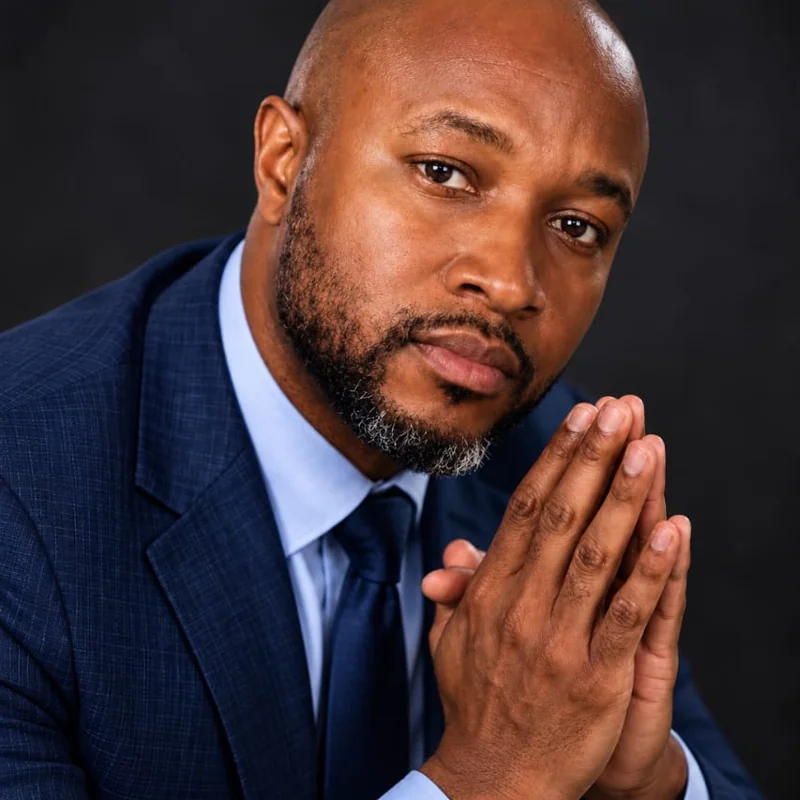
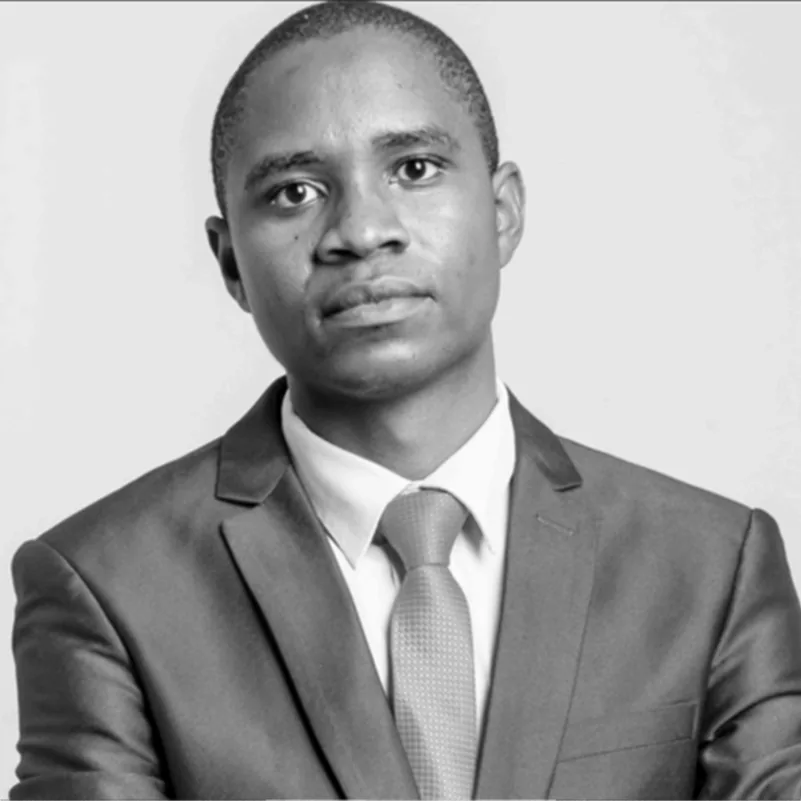
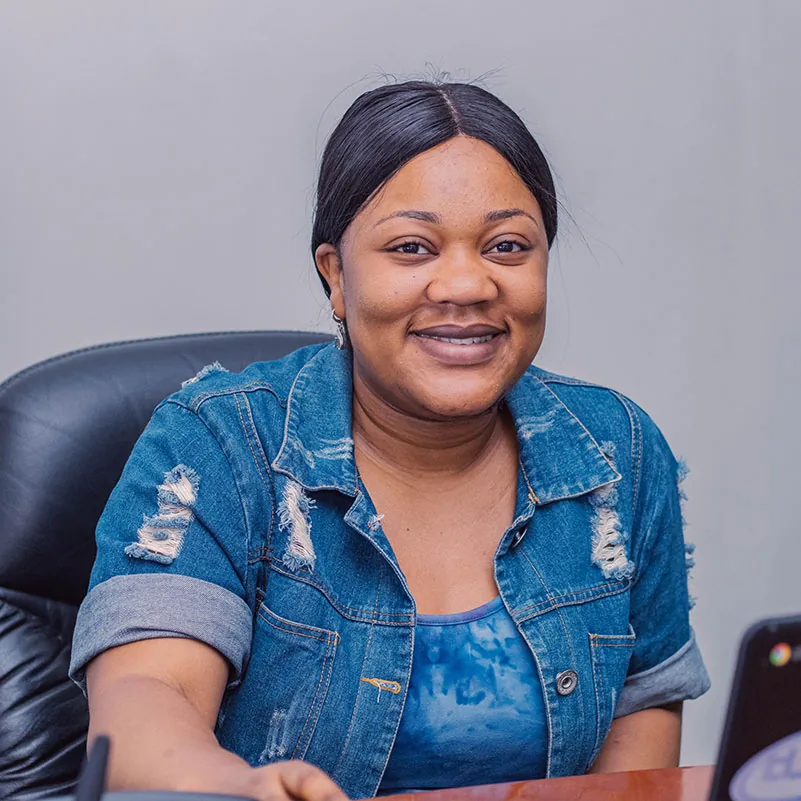
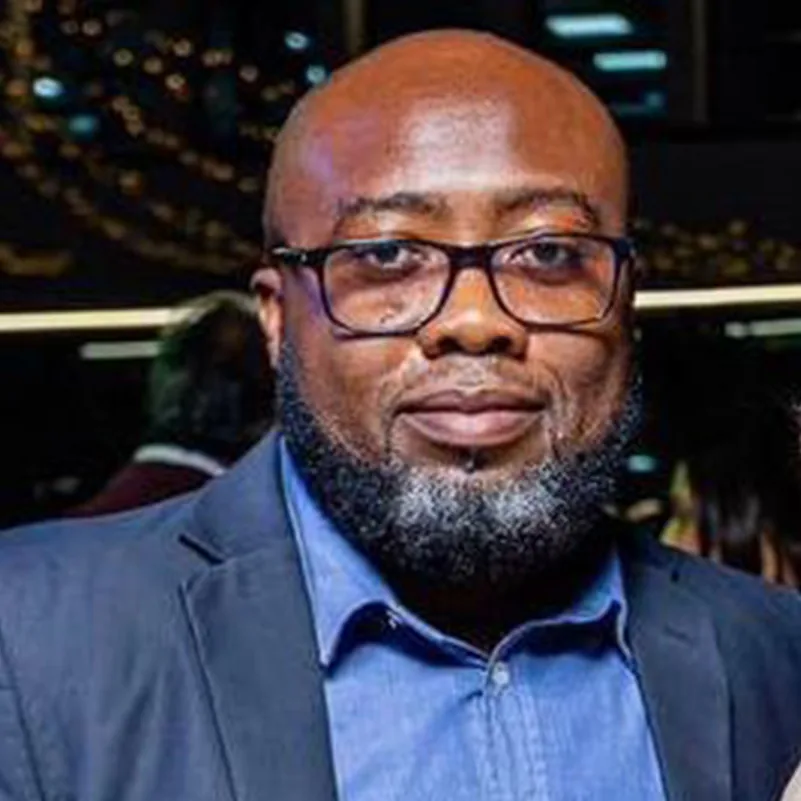
Board: Eng. Cephas Kalembo (Founder · Executive Director & CEO) · Felix Mangala (Executive Director · CFO) · James Chiponda (Executive Director · COO) · Edwin Chansa (Non-Executive Director) · Josephat Kaoma (Non-Executive Director) · Michael D. Carson (Independent Non-Executive Director). Chairperson: position open — an independent chair is being sought.
Advisory board: Bryce L. Hesterman — Principal Research Engineer, Utah State University · Manish Kothari — Entrepreneur; helps founders and companies grow · Benjamin C. Katubiya — Zambian entrepreneur, author and mentor.
Ownership: Hero Control Systems Limited, incorporated at PACRA 15 October 2021, 100% Zambian-owned by five shareholders; the founder holds a controlling interest and can commit the company. Annual returns current; no charges, no insolvency. Organogram → · Founder's record and publications →
Not a spreadsheet we typed. The books, computed when you open them.
HCS runs its own accounts on O'Sense. The investor view reads the double-entry ledger at the moment you ask and lays out the trailing twelve months — revenue, gross margin, net result, cash and bank, paying customers and concentration, statutory standing, month-by-month income and expense, and the summarised profit and loss and balance sheet.
- Every figure is computed from journal entries; nothing is hand-entered and nothing is stored after you close the page.
- Sealed statements carry a verification code you can scan — the same mechanism we sell to our own O'Sense customers.
- Access is personal and time-limited: you get your own link, and it expires.
Requests go to Eng. Cephas Kalembo, Founder & CEO — cephas@hcsys.co · +260 967 754 716.
K1,000,000 convertible note.
Raise window: opens 20 September 2026, closes 20 December 2026 — three months. Notes are issued in order of commitment until the K1,000,000 is subscribed or the window closes, whichever comes first.
- Instrument: convertible note — 24-month maturity, 20% conversion discount, 10% p.a. accrued, valuation cap by agreement.
- Corporate structure: one company today (HCS); O'Sense and Travis Labs are planned spin-outs — the note converts into HCS equity, or by agreement into the relevant entity on incorporation.
Use of funds
- In-house PCB fabricationCuts design-to-board time from weeks of imports to days; lifts product margin on every redesign.
- 3D printing for enclosuresFull in-house prototyping — boards ship as finished products, not bare PCBs.
- Zabble production & TEVETA accreditationVolume kit production for schools and cohorts; nationally recognised certificates for our training.
- TalentAn electronics design engineer, a backend developer and a training lead — the three hires that take the founder out of the critical path.
- Working capitalBridge the 60–90 day payment cycles of mining, telecom and government clients.
Not funded: executive salaries, office cosmetics, expansion outside Zambia before the model repeats, or technology bets without a named builder and a date.
The investor we want
- Patient — this is a 5–10 year industrial build, not a two-year flip.
- Operationally respectful — trust the technical vision, hold us to milestones.
- Connected — mining, telecom, utilities, DFIs, diaspora networks open doors we then earn.
Paths to a return
- Conversion into a profitable, dividend-capable operating company.
- Spin-out of O'Sense as a software company with its own cap table.
- Strategic acquisition by a regional industrial or an OEM wanting a Zambian design-and-service base.
We would rather you hear these from us.
Design capability sits with one person.
Written procedures for every repair and design; a documented design library; three named hires; target founder share of delivery from ~90% to under 40%.
Large clients pay in 60–90 days or more.
Working capital in the raise; framework agreements with published fee schedules; cash-up-front training and repairs as float.
Components are imported in US dollars.
USD account for procurement; domestic contracts in Kwacha; component inventory bought ahead for repeat designs.
Trained engineers are scarce and poachable.
Apprenticeship model, growth paths, profit participation; our own training division as the pipeline.
A few large accounts drive revenue.
Three revenue engines; recurring software and maintenance contracts; product exports outside Zambia.
Downside case: if revenue runs at half of plan, the founder personally delivers two crown-jewel projects a quarter and weekend bootcamps cover the core team — the survival threshold has been modelled and is below current run-rate.
Read, then come and look at the bench.
Under NDA we share the traction snapshot, management accounts, cap table, client agreements, the O'Sense metrics and the technical plan. Then visit Plot 34, Nyumbayanga, and see the boards.